
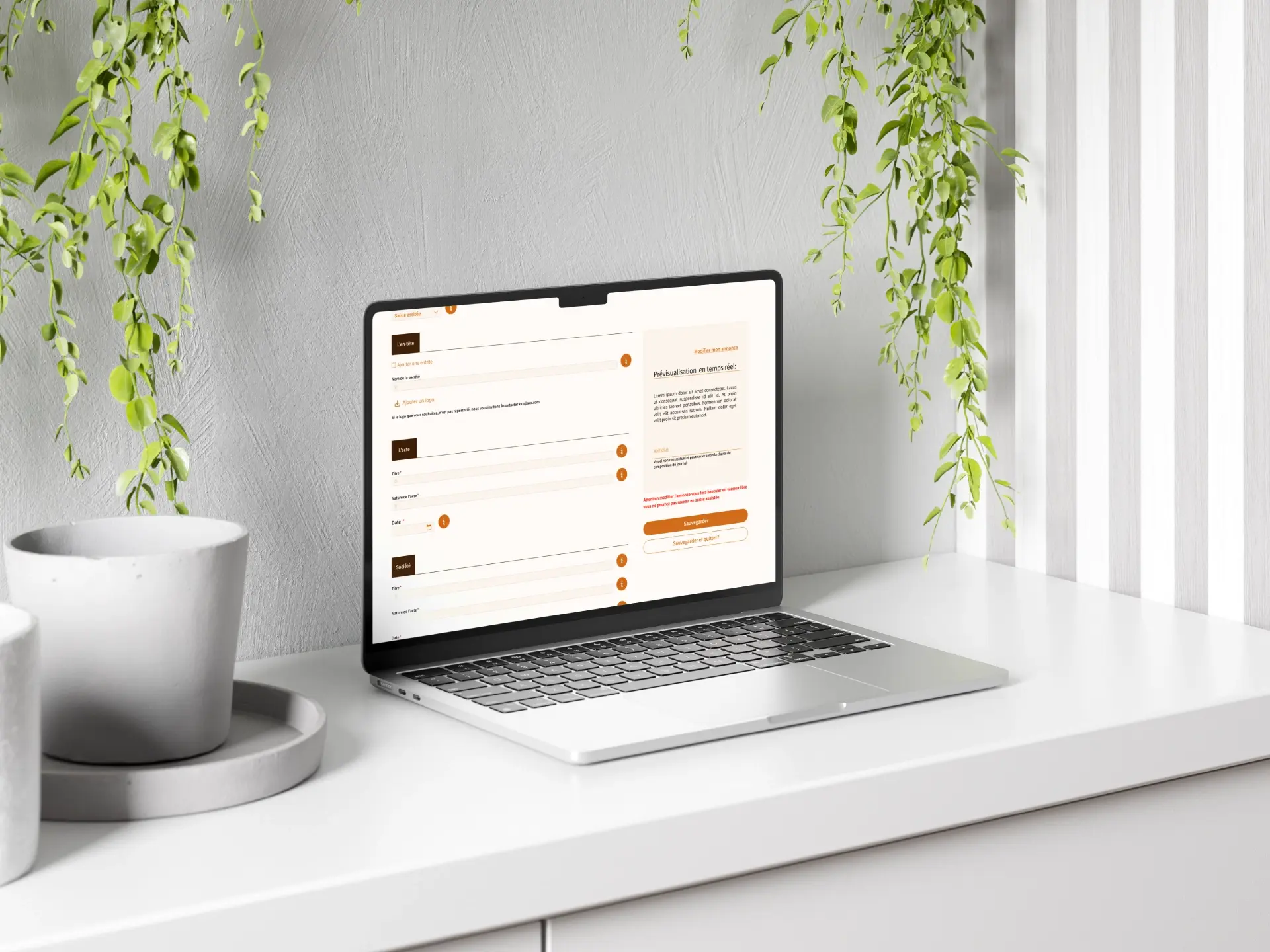
The Story Behind the Modernisation
In the B2B sector, software often evolves organically over a decade. Features are added, workflows expand, but the underlying user experience remains frozen in the past. This was the reality for our client: an established digital platform that had become the backbone of their clients' daily operations, yet was suffering from accumulated complexity.
Launched ten years ago, the platform had grown into a powerful tool, but its interface was dated, and its workflows were fraught with friction. Users were struggling to complete essential tasks, and the cognitive load was unnecessarily high. The client knew that a simple "coat of paint" wouldn't fix the deep-rooted issues. They needed a fundamental transformation, a shift from a feature-centric legacy system to a human-centric, modern product that could scale with their business.
The Challenge
How do you redesign a complex, decade-old workflow without breaking the business?
Modernising a legacy B2B platform is like performing heart surgery while the patient is still running a marathon. The stakes were critical.
- The Complexity Trap: Years of feature accumulation had created tangled user journeys. Users were clicking through multiple screens to achieve simple goals, leading to frustration and errors.
- The "Cosmetic" Temptation: There was a risk of just updating the visual style while leaving the broken workflows intact. We knew true value lay in rethinking the logic, not just the colours.
- The Feasibility Gap: Often, designers propose beautiful solutions that are nightmares to code in legacy systems. We needed to ensure every design decision was technically viable from day one.
- The User Trust: For long-term users, change can be scary. The new design had to be intuitive enough to reduce training time while respecting the muscle memory of power users.
The goal was to apply Design Thinking to untangle the complexity, streamline workflows, and deliver a modern interface that felt effortless, all while maintaining strict confidentiality and technical feasibility.
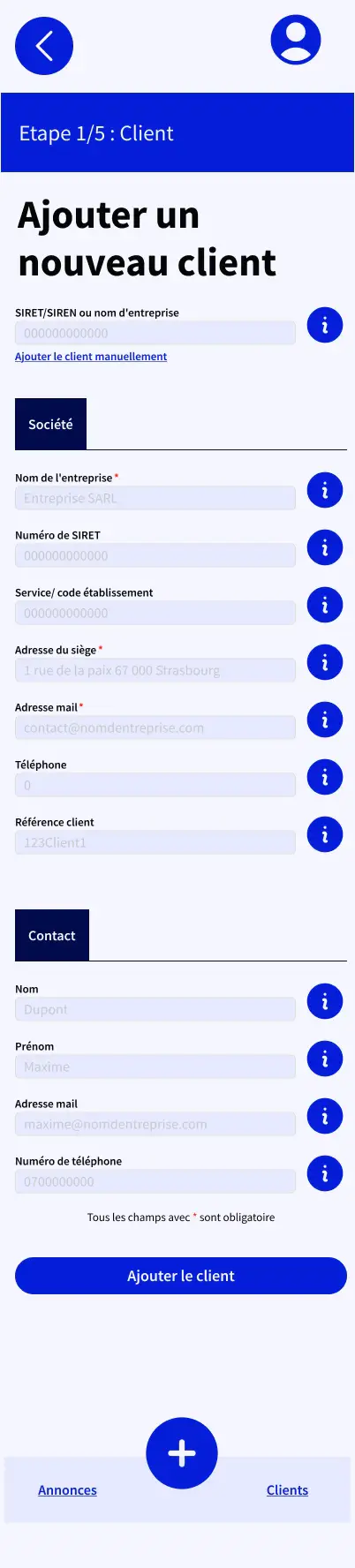
Our Approach & Methodology
Our process was rooted in empathy, rigorous research, and technical collaboration. We acted as both designers and strategic partners to the development team.
1. Deep-Dive UX Research & Discovery
We started by listening. Our team conducted end-to-end UX research, including heuristic audits, user interviews, and business stakeholder workshops. We mapped out the existing "as-is" journeys to identify exactly where users were getting stuck. This data-driven approach ensured we weren't guessing; we were solving proven pain points.
2. Design Thinking in Action
We moved beyond cosmetic updates to reimagine the core workflows. Using the Design Thinking methodology (Empathise, Define, Ideate, Prototype, Test), we stripped away unnecessary steps and reorganised the information architecture. The result was a set of optimised user flows that reduced clicks, minimized errors, and clarified complex data structures.
3. Prototyping for Clarity
We built interactive, high-fidelity prototypes in Figma. These weren't just static images; they were functional models that allowed stakeholders to "feel" the new experience before a single line of code was written. This step was crucial for validating our solutions and aligning everyone on the vision.
4. Bridging Design & Development
One of our key differentiators is our technical fluency. Leveraging our own HTML/CSS knowledge, we collaborated closely with the client’s developers throughout the process. We didn’t just throw designs over the wall; we co-created solutions that respected the legacy codebase while pushing for modern standards. This ensured a seamless handoff and eliminated the "but we can’t code that" friction often seen in redesigns.
5. Building a Scalable Design System
To ensure consistency and future speed, we delivered a comprehensive UI Kit. This design system acts as a single source of truth for components, typography, and colours, allowing the client’s team to build new features faster and with greater consistency moving forward.
The Strategic Impact
While the final product remains confidential, the methodological impact was clear and measurable.
- Complexity Reduced: We successfully untangled decade-old workflows, creating a logical, intuitive path that significantly reduces user cognitive load.
- Feasibility Guaranteed: Our close collaboration with developers, grounded in technical knowledge, ensured that 100% of the proposed designs were viable for implementation within their existing framework.
- Future-Proofed: The new Design System provides the client with a scalable foundation, turning a rigid legacy product into a flexible platform ready for future innovation.
- User-Centric Shift: The project moved the client’s culture from "adding features" to "solving user problems," embedding empathy into their product development lifecycle.
- Risk Mitigated: By prototyping and testing early, we identified and fixed potential usability disasters before they became expensive code debts.
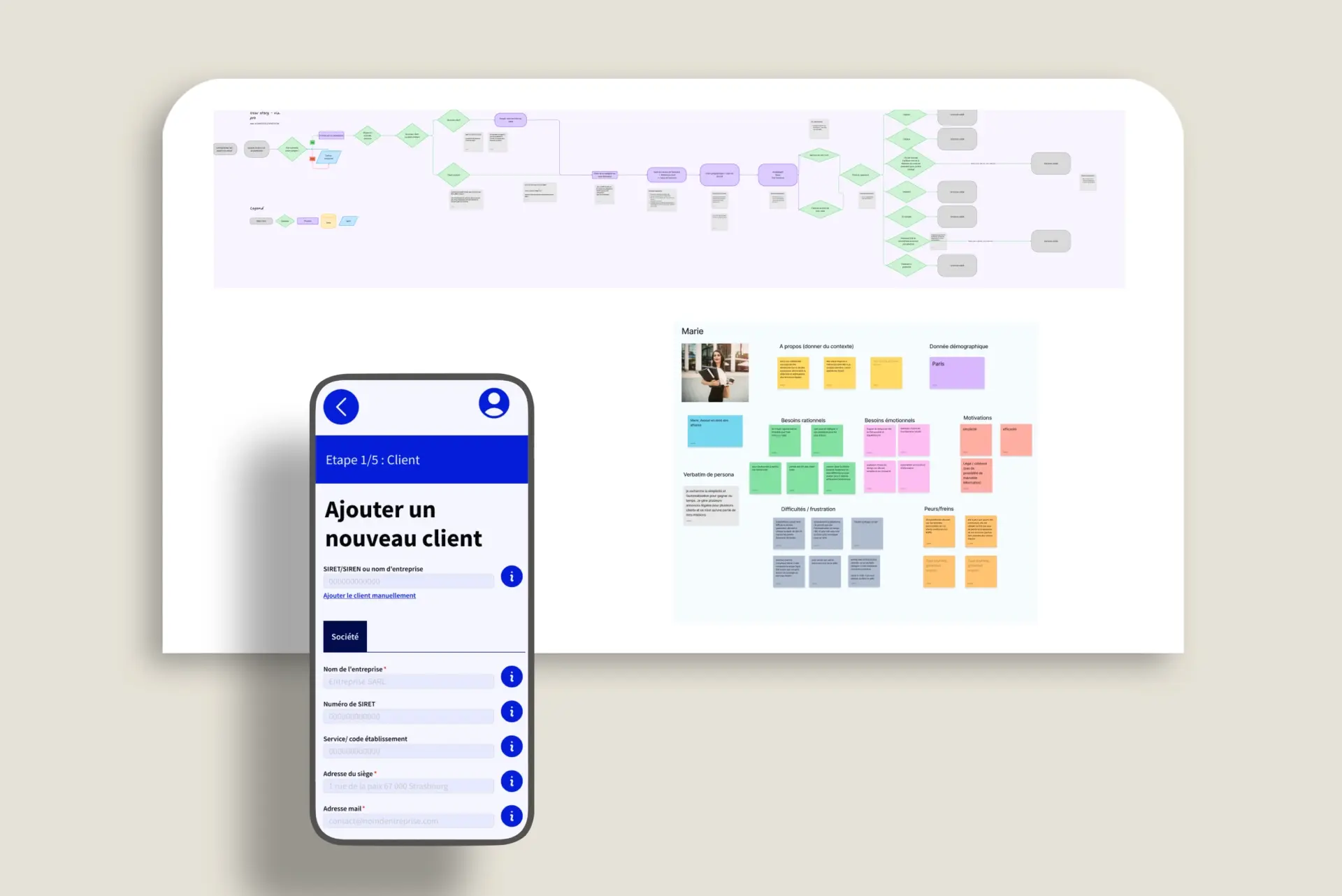
The Result: We delivered a blueprint for modernisation that balances user needs with technical reality. This project stands as a testament to our ability to navigate complex, confidential B2B environments, applying rigorous Design Thinking to transform dated tools into powerful, user-centric assets. The client now has a clear, feasible path to a platform that works as hard as their users do.